A History of the Collection
The collection starts with Sir Paul Methuen (1672 - 1757), an accomplished diplomat whose success and travels throughout Europe, being English ambassador to various foreign countries, enabled him to enjoy the privilege of art collecting. He was particularly successful in negotiating, along with his father, the Methuen or Port Wine treaty of 1703 and after a varied career went on to become Treasurer of The Royal Household in 1726.
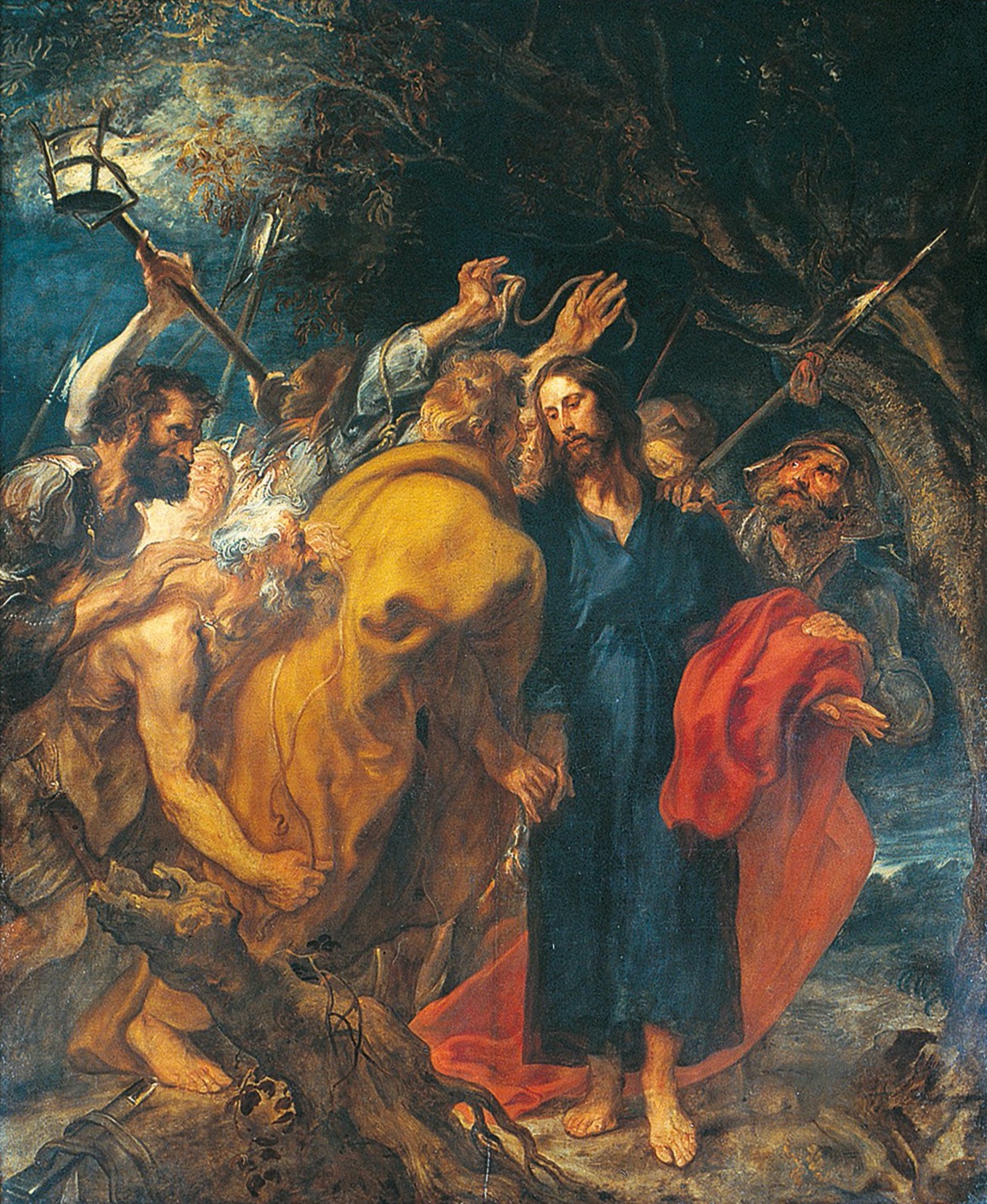
He came to appreciate the fine paintings of the Sixteenth and Seventeenth Centuries and was inspired to piece together his own collection. Italian masters, Flemish, Dutch and French paintings were bought by him (mainly at auction from 1720 onwards) and hung in his house at 4 Grosvenor Street, London, where it was said Queen Caroline, wife of George II, would often visit to view his pictures. "The Betrayal of Christ" by Sir Anthony Van Dyck, painted circa 1629, was one Sir Paul's more notable acquisitions and remains on display at the Court today. The painting was accepted by H.M. Government "in lieu in situ" of Estate Duty tax and presented to Bristol City Museums in 1984.
For instance, the Betrayal of Christ was actually bought in 1747 to hang as pendant to the Baptism of Christ, after Guido Reni, which Sir Paul had bought in 1726, with both paintings hanging in symmetry in the Picture Gallery today. Sir Paul died in 1757 and, never having married, bequeathed all of his treasures to his cousin and godson, another Paul Methuen.
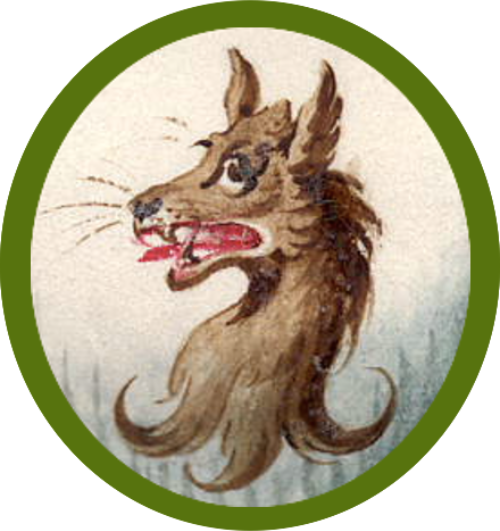
It was the younger Paul who acquired Corsham House in 1745 with a view to better displaying the magnificent art collection he was due to inherit. Paul Methuen, though not a collector in the same manner as Sir Paul, did make certain purchases like that of the allegorical picture of Queen Elizabeth I and commissioned Joshua Reynolds, one of the greatest portrait painters of the day, to paint the family; these pictures now hang in the Dining Room. He also commissioned the famous Adam brothers to create pier glasses and tables, along with a frame for the Rubens' studio copy of a Wolf and Fox Hunt.
A Wolf and Fox Hunt, at Corsham
A studio replica after Rubens' larger picture in the Metropolitan Museum of Art, New York

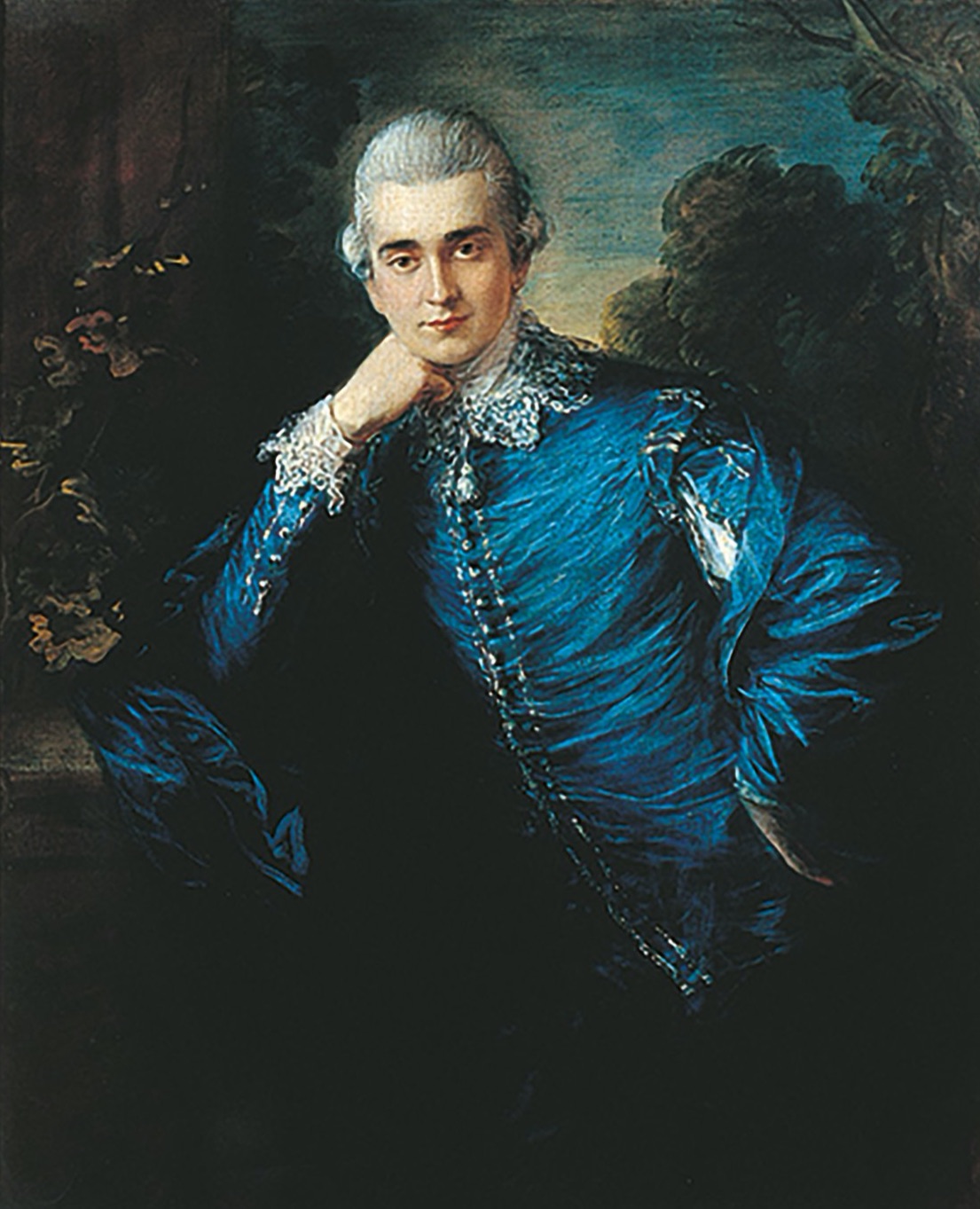
Paul Methuen later commissioned Thomas Gainsborough to paint both himself and his heir, Paul Cobb Methuen, who is displayed in a Van Dyck costume, which harked back to the earlier days of English Restoration era portrait painting. Though the Methuen family continued to have a significant interest in the collection and went through great troubles to display the paintings in as best a setting as possible, none made significant additions. Rather, they were at several times pushed to sell pictures to pay for major phases of construction on the house. With the first Lord having to part with Rembrandt's Man in a Turban in 1838 (now in the New York Metropolitan Museum of Art), as well as Rubens' The Meeting of David and Abigail in 1844 (now in The Detroit Institute of Arts) to name a few.
Happily, a second collection of paintings came to Corsham in 1844 when Frederick Henry Paul Methuen (subsequently the second Lord Methuen) married Anna Horatia Caroline Sanford, only daughter of the Rev. John Sanford.
Happily, a second collection of paintings came to Corsham in 1844 when Frederick Henry Paul Methuen (subsequently the second Lord Methuen) married Anna Horatia Caroline Sanford, only daughter of the Rev. John Sanford.
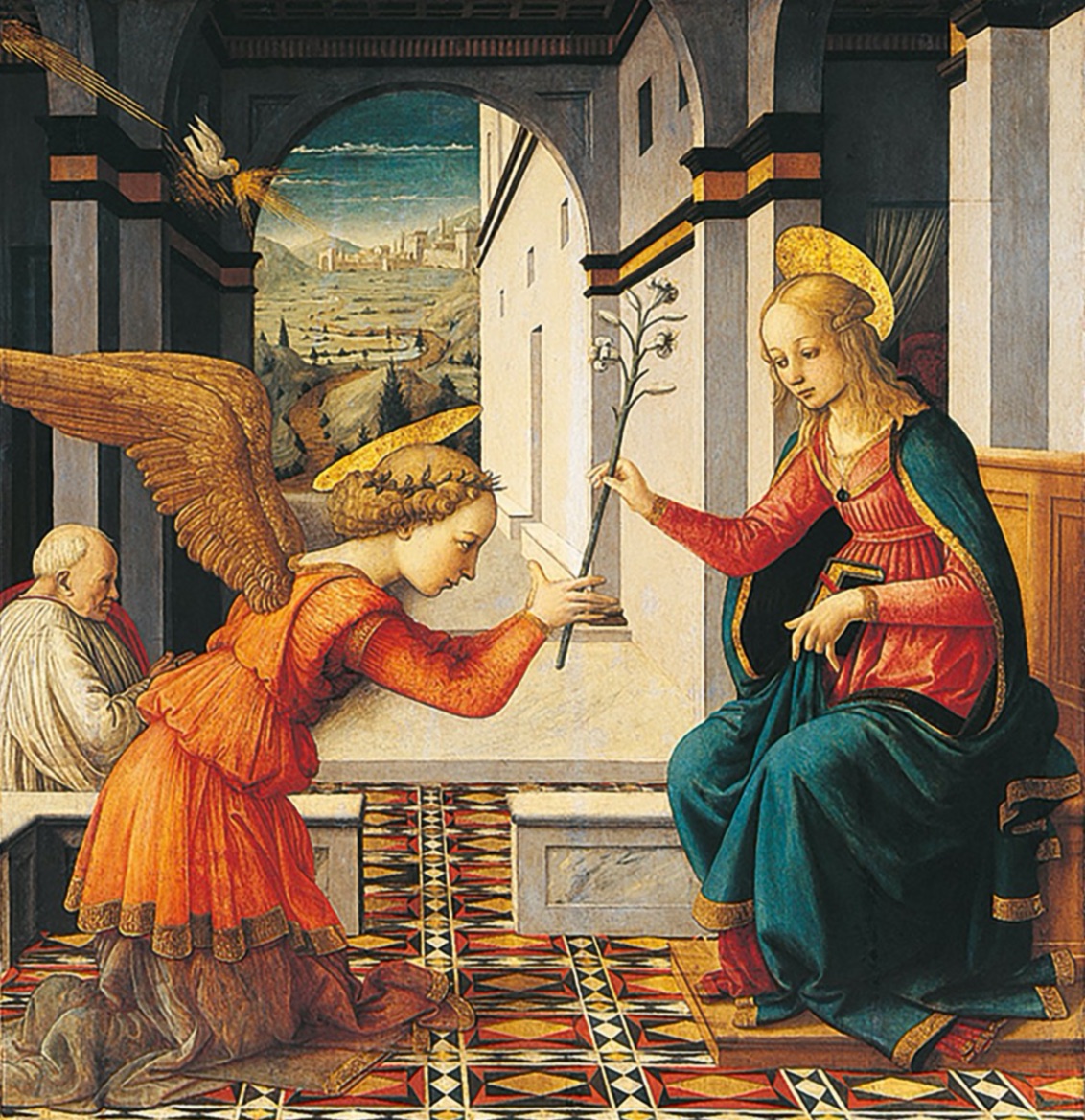
While living in Florence in the 1830s, the Rev. Sanford and his wife Eliza were able to buy earlier Italian Masters. Sanford’s purchases include Francesco Granacci's Annunciation, Granacci being a contemporary and friend of Michelangelo, and the Sofonisba Anguiscola portrait of the three children, thought to be Sofonisba’s own siblings. He also purchased works by more formative Italian artists of the early renaissance, like Fra Fillipo Lippi (c.1406-1469) who was teacher to Botticelli and Pesellino. Though the second Lord went on to sell Lippi's Portrait of a Woman with a Man at a Casement in 1883 (now in the New York Metropolitan Museum of Art), Lippi's masterful Annunciation, painted for the cathedral of Pistoia in 1463, was luckily retained.
The third Lord, Field Marshal Paul Sanford Methuen, went on to sell more works from the Collection in two significant auctions of 1899 and 1920, though he was persuaded against further sales by his son, Paul Ayshford Methuen.
The fourth Lord, Paul Ayshford, was an artist in his own right and a Royal Academician, serving as a trustee of the Tate and National Gallerys. Though also having sold works, he did make purchases for the Collection, like Prospero Fontana's St Francis Receiving the Stigmata and Francesco Maffei's Signing of the Treaty of the Peace of Turin.